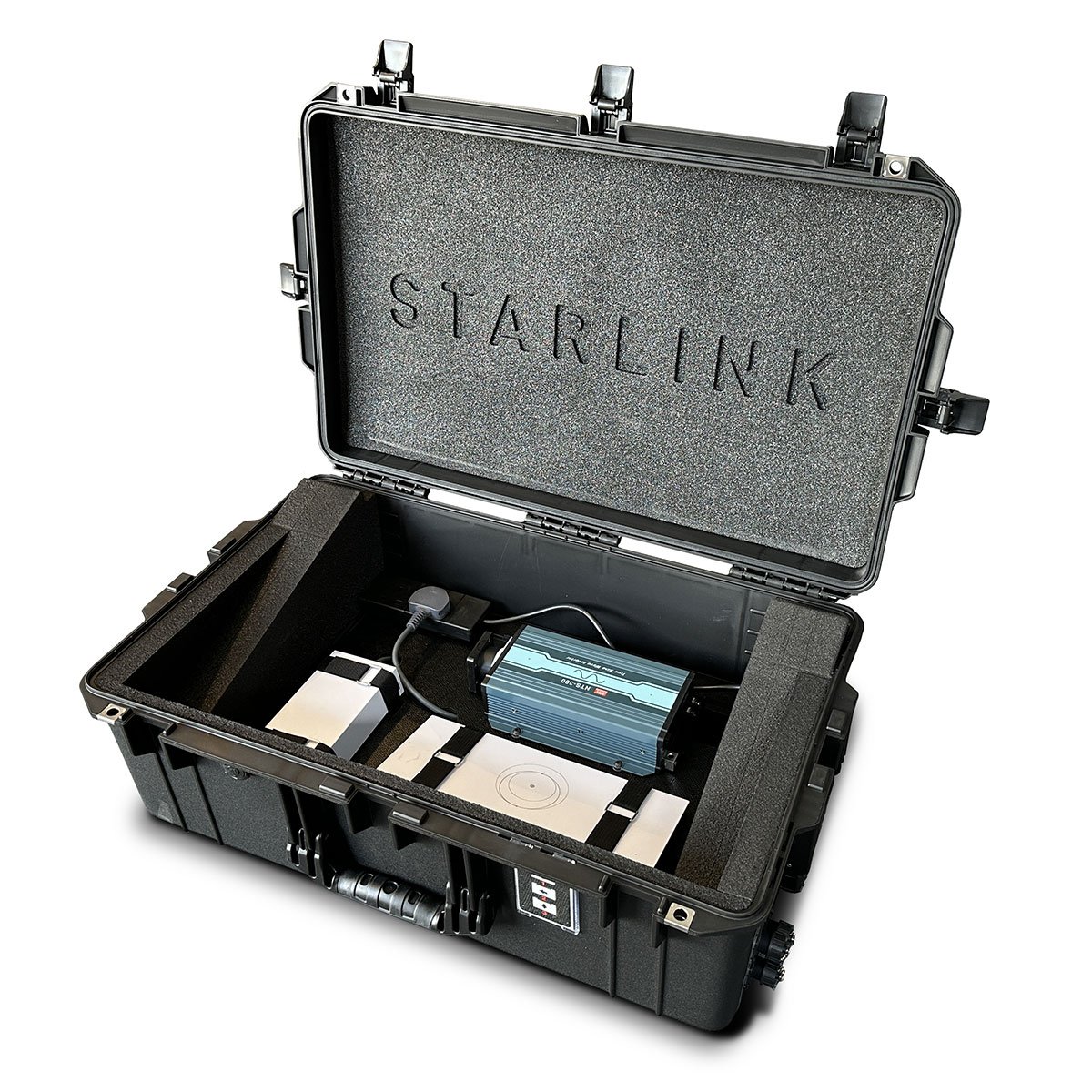
The world of internet connectivity is undergoing a quiet revolution, and at its forefront is SpaceX’s Starlink. Specifically, the third generation of Starlink hardware has emerged as a game-changer, extending high-speed, low-latency broadband to places once deemed unreachable. If you've been wondering how Starlink Gen 3 Use Cases & Ideal Scenarios apply to your specific needs, you're in the right place. This isn't just about faster speeds; it's about unlocking new possibilities for homes, businesses, and adventurers everywhere.
From transforming daily life in rural communities to empowering professionals working off-grid, Starlink Gen 3 is redefining what we expect from internet service. But with two distinct variants – the Standard V3 and the highly portable Starlink Mini – understanding which system fits your lifestyle and how to maximize its potential is crucial.
At a Glance: What Makes Starlink Gen 3 Stand Out
- Next-Gen Hardware: Lighter, more energy-efficient dishes with integrated Wi-Fi 6 routers.
- Low-Latency Performance: Leverages a Low Earth Orbit (LEO) satellite constellation for latency under 40ms, rivaling traditional cable internet.
- Two Key Variants: The Standard V3 offers robust performance for fixed or semi-fixed use, while the Starlink Mini prioritizes extreme portability.
- Broad Coverage: Available in over 70 countries (and growing), bringing consistent internet to previously underserved areas.
- Diverse Applications: Ideal for rural homes, off-grid operations, mobile professionals, agriculture, and emergency preparedness.
- Plug-and-Play Simplicity: Designed for easy setup without technical expertise.
The Starlink Gen 3 Leap: A Closer Look at the Technology
Before diving into specific applications, let's briefly unpack what Starlink Gen 3 brings to the table. This isn't your grandfather's satellite internet. Operating with a vast network of satellites orbiting just 550 kilometers above Earth, Starlink dramatically reduces the signal travel time, leading to that impressive sub-40ms latency. For most users, this translates to a seamless online experience, whether you're streaming 4K video, participating in video conferences, or browsing complex web pages.
The Gen 3 terminals themselves represent a significant upgrade. They're not just about improved signal acquisition; they're smarter, lighter, and more integrated. Imagine a satellite dish that’s not only a powerful receiver but also a Wi-Fi 6 router capable of supporting up to 32 devices, all built into one sleek unit. This combination of advanced satellite technology and user-friendly hardware is the foundation for its diverse utility. Average download speeds typically hover between 100–200 Mbps, but many users report bursts exceeding 300 Mbps – speeds that were once unimaginable for remote locations.
Two Paths to Connectivity: Standard V3 vs. Starlink Mini
Understanding the two primary Starlink Gen 3 variants is essential for choosing the right solution for your needs. Each is optimized for different scenarios, balancing performance, portability, and power efficiency.
Standard Starlink V3: The Robust Workhorse
This is the rectangular dish most people associate with Starlink. It's designed for maximum performance and resilience, making it ideal for permanent or semi-permanent installations.
- Higher Throughput: Expect peak download speeds up to 300 Mbps, offering a robust connection for multiple users and demanding applications.
- Superior Weather Performance: With its larger aperture (approx. 24 x 18 inches), the Standard V3 maintains stronger signal integrity, even in challenging weather conditions like heavy rain or snow. Its larger surface area can also better manage snow buildup through self-heating.
- Consistent Power: While drawing more power (~50-75W), it's designed for stable operation, often paired with a reliable power source or a dedicated solar setup for extended off-grid use.
- Plan Flexibility: Supports Residential, Mobile (formerly Roam), and Business plans, giving you a wider array of service options tailored to your usage.
- Ideal For: Fixed homes, remote offices, businesses needing high bandwidth, and larger agricultural operations.
Starlink Mini: Portability in Your Backpack
The Starlink Mini is a marvel of compact engineering, built for the user who needs connectivity on the go, without compromise on convenience.
- Extreme Portability: Weighing only 1.7 kg (3.7 lbs) and folding down to a mere 38 x 28 cm with integrated legs and a handle, it's designed to be effortlessly carried in a backpack.
- Energy Efficiency: Consuming just ~25-40W, the Mini is a dream for portable power stations, easily running off 12-48V DC setups, making it perfect for off-grid adventures.
- Good, Not Great, Speeds: It offers lower sustained speeds, typically in the 50-100 Mbps range. This is ample for most mobile tasks, like HD streaming, video calls, and general browsing, but won't match the peak performance of its larger sibling.
- Plan Limitations: Currently, the Mini is limited to the Mobile Priority plan, which comes with a higher monthly fee than the standard Residential plan and is designed for priority mobile data. It doesn't offer a Residential option.
- Availability: As a newer, specialized variant, it's available only in select markets.
- Ideal For: RVers, campers, digital nomads, backpackers, mobile field teams, and anyone needing highly portable internet.
To help you visualize the differences, here's a quick comparison:
| Feature | Standard Starlink V3 (Rectangular Dish) | Starlink Mini (Compact Vant) |
| :------------------ | :-------------------------------------- | :--------------------------- |
| Size (Approx.) | 58 x 45 cm | Folds to 38 x 28 cm |
| Weight (Approx.)| 3.1 kg (7 lbs) | 1.7 kg (3.7 lbs) |
| Power Draw | ~50-75W | ~25-40W |
| Peak Speeds | Up to 300 Mbps | 50-100 Mbps |
| Weather Perf. | Better in adverse conditions | Good, but less robust |
| Integrated Wi-Fi| Yes (Wi-Fi 6) | Yes (Wi-Fi 6) |
| Supported Plans | Residential, Mobile, Business | Mobile Priority Only |
| Portability | Moderate (larger footprint) | High (foldable, handle) |
| Ideal Scenarios | Fixed homes, businesses, larger mobile | RVs, camping, digital nomads |
Real-World Connectivity: Key Starlink Gen 3 Use Cases
Starlink Gen 3 isn't just a technological marvel; it's a practical solution addressing a wide array of connectivity challenges. Here are the most compelling Starlink Gen 3 Use Cases & Ideal Scenarios:
Bridging the Rural Divide: Home & Business Internet
For millions living in remote or rural areas, reliable high-speed internet has long been a dream. Traditional broadband infrastructure simply doesn't reach them, or the existing options are slow, expensive, and unreliable. Starlink Gen 3 changes this equation entirely.
- Ideal Scenario: Homes, farms, or small businesses situated outside the reach of fiber or cable internet. With the Standard Starlink V3 and a Residential plan, you can finally enjoy speeds comparable to urban areas, enabling everything from seamless online learning and entertainment to robust cloud-based business operations. Many find that Starlink for Rural Broadband Solutions is the only viable option for modern internet access.
- Why it's ideal: Consistent speeds, low latency for video calls, and the ability to connect multiple devices via the integrated Wi-Fi 6, all without the need for expensive infrastructure build-outs.
Life on the Go: RVs, Vans, & Mobile Professionals
The rise of the digital nomad and the ever-popular RV lifestyle demand internet that travels with you. Starlink Gen 3, particularly the Starlink Mini, is custom-built for this flexibility.
- Ideal Scenario: Full-time RVers, van dwellers, truck drivers, or mobile professionals (e.g., surveyors, field researchers, construction managers) who need dependable internet wherever they park or work. The Starlink Mini’s compact size, easy setup, and low power draw make it perfect for powering off a vehicle's 12V system or a portable power station.
- Why it's ideal: Unmatched portability allows you to take your office or entertainment with you, ensuring you're always connected, even when deep in the wilderness. The Mobile Priority plan, while pricier, guarantees higher performance for mission-critical tasks on the move.
Agricultural Innovation: Smart Farming with LEO
Modern agriculture relies heavily on data, automation, and remote monitoring. Starlink Gen 3 empowers farmers to deploy smart technologies across vast, often remote, properties.
- Ideal Scenario: Farms utilizing IoT sensors for soil analysis, automated irrigation systems, drone monitoring, or remote equipment diagnostics. The Standard Starlink V3 provides the necessary bandwidth to collect and transmit large volumes of data from various points across a property.
- Why it's ideal: Enables precision agriculture, optimizing crop yields, reducing waste, and improving operational efficiency, all while maintaining connectivity between devices, machinery, and cloud-based management platforms.
Off-Grid Living & Remote Work
For those embracing self-sufficiency or working from isolated cabins, reliable internet is often the missing piece. Starlink Gen 3 makes off-grid living truly connected.
- Ideal Scenario: Homesteads, remote cabins, or temporary field offices powered by solar or other renewable energy sources. The Starlink Mini's exceptional power efficiency (~25-40W) makes it particularly well-suited for integration with portable power solutions. Even the Standard V3 can be supported with a robust solar setup.
- Why it's ideal: Enables essential connectivity for safety, communication, remote work, and entertainment without relying on traditional grid infrastructure. Learning about Powering Starlink Off-Grid can help optimize your setup.
Emergency & Backup Preparedness
When natural disasters strike or local infrastructure fails, communication often becomes impossible. Starlink Gen 3 offers a vital lifeline.
- Ideal Scenario: Emergency response teams, disaster relief organizations, or individuals seeking a robust backup internet solution for home or business. The rapid deployability of either Starlink V3 variant means critical communication can be re-established quickly.
- Why it's ideal: Provides independent, resilient internet access during power outages or widespread network failures, ensuring continued communication for safety, coordination, and information access.
Expanding Business Operations to Remote Sites
Businesses often need to establish temporary or permanent operations in areas lacking existing connectivity – think construction sites, pop-up events, mining operations, or remote research facilities.
- Ideal Scenario: Any business requiring immediate, high-performance internet in a temporary or remote location where traditional broadband isn't feasible. The Standard Starlink V3 with a Business plan can support multiple users and bandwidth-intensive applications.
- Why it's ideal: Enables seamless cloud access, video conferencing, data transfer, and communication for teams, ensuring productivity doesn't drop just because you're off the beaten path.
Navigating Your Options: Choosing the Right Starlink V3 Setup
Ready to join the Starlink revolution? Here’s a practical guide to selecting the best Starlink Gen 3 system for your specific needs.
Step 1: Clarify Your Primary Use Case
Are you looking for a permanent home internet solution, or do you need portable internet that travels with you?
- Permanent/Semi-Permanent & High-Demand: Go for the Standard Starlink V3.
- Highly Mobile & Portable (Backpacking/RVing): The Starlink Mini is your best bet.
Step 2: Check Service Availability in Your Area
While Starlink's coverage is extensive, it's not universal. Use the official Starlink website to input your service address (or intended travel areas) to confirm availability and estimated speeds.
Step 3: Select the Correct Data Plan
Your use case dictates your plan:
- Residential: Best for fixed locations, offering best-effort priority data and unlimited standard data (with soft prioritization after a certain threshold). This is the most common choice for homes.
- Mobile (formerly Roam): Designed for users who move their dish. Data receives lower priority than Residential users, and bandwidth is shared. It's great for occasional travel.
- Mobile Priority: Offers higher throughput and prioritized data, essential for critical mobile applications or for the Starlink Mini. This plan is designed for maximum performance on the go. To fully grasp your options, it's worth taking time to understand Understanding Starlink Data Plans.
Step 4: Evaluate Your Power Sources
This is particularly important for off-grid or mobile scenarios.
- Starlink Mini: With its low ~25-40W draw, it's highly compatible with portable power stations (12-48V DC).
- Standard Starlink V3: Its ~50-75W draw requires more substantial battery banks or a dedicated solar setup for extended off-grid use, especially considering increased power consumption in colder weather for dish heating.
Step 5: Review Mounting Options
Consider where you'll place your dish. The Starlink app features a helpful "obstruction map" tool that uses your phone's camera to scan the sky and identify potential signal blockages (like trees or buildings). Ensure your chosen location has a clear line of sight, ideally with no obstructions within 15° of the horizon.
- Standard V3: Comes with a basic kickstand. Various magnetic, pole, or roof mounts are available for stable installation.
- Starlink Mini: Features integrated foldable legs for easy tabletop setup or ground deployment.
Step 6: Purchase Directly from Starlink or Authorized Resellers
To ensure you receive a genuine product with a valid warranty and seamless activation, always purchase your Starlink kit directly from the official Starlink website or an authorized retailer. Beware of inflated prices or unverified kits from third-party sellers.
Step 7: Test Before Committing to a Location
Once set up, run speed tests at various times of the day to get a realistic picture of your performance. This can help you fine-tune placement or confirm the service meets your expectations.
Costs & Considerations: What to Expect
Investing in Starlink Gen 3 involves both upfront hardware costs and ongoing monthly service fees.
- Hardware Costs: As of mid-2024, both the Standard Starlink V3 Kit and the Starlink Mini Kit are priced at $599 USD.
- Monthly Service:
- Residential (Standard V3): Typically $120/month.
- Mobile Priority (Starlink Mini): Typically $150/month.
It's important to note that the Mini, despite the same hardware cost, typically entails a higher monthly fee due to its reliance on the Mobile Priority plan and offers lower sustained speeds. For stationary users, the Standard V3 usually presents better value.
When Starlink Might NOT Be Your Best Bet
While transformative, Starlink isn't a silver bullet for every internet need.
- Urban Areas with Gigabit Fiber: If you have access to affordable, ultra-fast fiber internet in an urban or suburban setting, Starlink (with its typical 100-200 Mbps speeds) might not offer a significant advantage for the cost. For a deeper dive, consider Starlink vs. Fiber Internet: A Comparison.
- Ultra-Low-Latency Competitive Gaming: While Starlink's latency is good (under 40ms), competitive online gaming often demands single-digit latency, which fiber can provide. For casual gaming, Starlink is generally fine, but e-sports players might notice a difference.
- Regions Without Regulatory Approval: Starlink requires government approval to operate in each country. If you're in an unauthorized region, the service won't function.
- Users Expecting Unlimited, Unthrottled Data at Peak Speeds: While Residential plans offer "unlimited" data, it's subject to soft prioritization during peak network congestion after a certain usage threshold. Mobile and Mobile Priority plans also share bandwidth and may experience speed fluctuations.
Keeping Your Connection Strong: Maintenance, Safety, and Legals
A little care goes a long way in ensuring your Starlink Gen 3 dish provides years of reliable service.
- Maintenance: The dishes are largely self-sufficient, but occasional cleaning is beneficial. Gently wipe the dome monthly with a microfiber cloth to remove dust, pollen, or water spots. Ensure the vent areas are clear of debris.
- Safety: The dishes emit radio frequencies. While designed to be safe, it's recommended to maintain a clearance of at least 20 cm (about 8 inches) from occupied spaces. Never attempt to disassemble the unit yourself.
- Legal Compliance: If you plan to travel internationally with your Starlink Mini or Mobile Standard V3, always verify regulatory compliance in each country you intend to operate in. Operating in unauthorized regions can lead to legal issues.
- Optimal Placement: The Starlink app’s obstruction map is your best friend. Even minor obstructions within a 15-degree cone of the dish's view can cause intermittent service drops. A clear, unobstructed view of the sky is paramount for consistent performance.
Beyond the Hype: Real User Feedback & Future Outlook
Customer feedback for Starlink Gen 3 generally paints a positive picture. Users consistently praise the easy setup process and the reliable, high-speed internet it provides in areas where no other viable options exist. This ability to connect previously isolated communities and individuals is frequently cited as its biggest strength.
However, some common points of discussion also emerge:
- Speed Drops During Peak Hours: Like any shared network, Starlink can experience some speed fluctuations during peak usage times, though it typically remains highly usable.
- Heater Power Consumption: In extreme cold, the dish uses more power for its self-heating function to melt snow and ice, which can be a consideration for off-grid users relying on finite power sources.
- Starlink Mini Plan Limitations: Some users wish the Mini had access to a Residential plan option, as the Mobile Priority plan is a higher monthly cost for lower peak speeds compared to the Standard V3.
Looking ahead, SpaceX continues to launch more satellites, constantly expanding network capacity and reach. This ongoing investment promises even more stable and faster connections, further solidifying Starlink Gen 3's position as a vital technology for global connectivity.
Ready to Connect? Your Next Steps
If the Starlink Gen 3 Use Cases & Ideal Scenarios align with your needs, the path to getting connected is straightforward. Start by visiting the official Starlink website to check availability in your location and explore the current plans. Take the time to consider whether the robust performance of the Standard Starlink V3 or the unparalleled portability of the Starlink Mini best suits your lifestyle.
Whether you're looking to bring blazing-fast internet to a remote home, stay connected on your cross-country adventures, or empower a growing business in an underserved area, Starlink Gen 3 offers a powerful, flexible solution. The era of digital isolation is rapidly coming to an end. To delve deeper into the technology and its broader impact, you can Learn more about Starlink Generation 3 and discover how this innovative system is shaping our connected future.