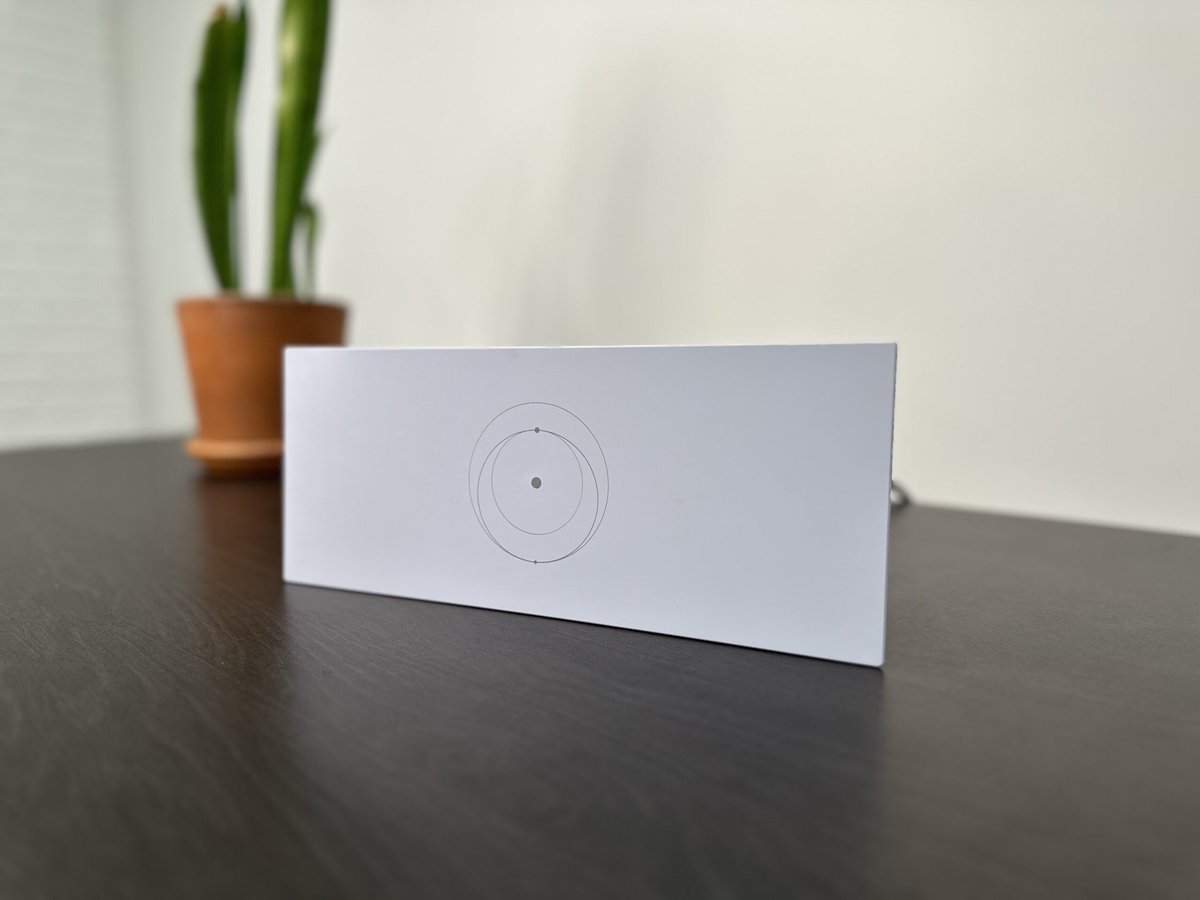
Starlink's journey to deliver high-speed, low-latency internet globally takes another significant leap with the introduction of its Gen 3 hardware. This isn't just an incremental update; it's a thoughtful redesign focused squarely on user experience, portability, and robust performance. If you've been eyeing satellite internet or are a current Starlink user wondering what's next, the Starlink Gen 3 Hardware & Design offers a compelling vision of the future – one that’s sleeker, more powerful, and refreshingly simpler to set up.
Gone are the days of the motorized pole; Gen 3 embraces a compact, flatter form factor, signaling a deliberate shift towards manual aiming and enhanced stability. This change, along with a powerful Wi-Fi 6 router and a more flexible power supply, makes the new standard kit an appealing choice for a wide array of users, from residential homes to those living life on the road.
At a Glance: What You Need to Know About Gen 3
- Target Audience: Primarily residential users, but also ideal for RVs, nomads, and campers due to enhanced portability.
- Kit Price: $599 in the USA (UK pricing TBC).
- Availability: Currently rolling out to selected testers in the USA; wider release plans are forthcoming.
- Key Design Change: Sleeker, flatter dish (15.07 inches wide), eliminating the integrated mounting pole.
- Installation: Shifts to a manual aiming process, guided by the Starlink app and a new detachable kickstand.
- Router Upgrade: Features Wi-Fi 6, Tri Band 4x4 MU-MIMO, and two Ethernet-out ports.
- Power: Increased average consumption (75-100W) for enhanced satellite tracking.
- Components: Kit includes the Starlink dish, Kickstand Gen 3 Router, 15m Starlink cable, AC cable, and a separate power supply.
- Accessories: Mounts for permanent installation are sold separately after ordering.
What’s in the Box? Unpacking the Starlink Gen 3 Kit
When your Starlink Gen 3 kit arrives, you’ll find everything you need to get connected, barring any specialized mounts for permanent installation (those are separate purchases, available once you’ve ordered your kit). The contents reflect a modular approach, giving you more flexibility than previous generations.
Here's what you'll typically unbox:
- The Starlink (Dish): This is the core component, now boasting a significantly different design.
- Kickstand Gen 3 Router: The new brain of your home network, packed with upgraded features.
- Starlink Cable (15 meters / 49.2 feet): A redesigned, more durable cable connecting the dish to the power supply.
- AC Cable (1.5 meters / 4.92 feet): Powers the new separate supply unit.
- Power Supply (1.5 meters / 4.92 feet): No longer integrated into the router, offering more placement options.
This simplified package ensures you have the essentials for a quick setup, whether you're setting up permanently or just for a weekend trip.
The Dish Transformed: Gen 3's Sleek New Look & Feel
The most immediate and striking change in the Starlink Gen 3 hardware is the dish itself. Gone is the familiar motorized pole, replaced by a much flatter, more compact, and aesthetically pleasing unit. This isn't just about looks; every design choice in the Gen 3 dish has practical implications for performance, installation, and versatility.
Design Evolution: From Pole to Plate
Starlink Gen 2 (often called the "Dishy McFlatface" or "Standard Actuated") featured an integrated pole that automatically angled the dish towards the optimal part of the sky. While effective, this design added bulk and limited placement options. Gen 3, conversely, is a flat plate, measuring 15.07 inches in width – noticeably wider than Gen 2’s 11.9 inches, yet significantly more compact in depth. This wider, flatter design provides enhanced stability, especially crucial for portable use or in windy conditions. The overall aesthetic is less industrial and more in line with modern home tech.
Enhanced Stability and Field of View
The new design isn't just about shrinking the footprint; it's about improving its operational capabilities. By widening the antenna, Starlink engineers have achieved a remarkable 110° field of view (FOV). This is a substantial improvement over previous generations, allowing the dish to see more satellites across a broader swathe of the sky. A wider FOV translates directly to more consistent connections, fewer obstructions, and potentially higher speeds, as the dish can dynamically select the best available satellite from a larger pool. This enhanced capability comes with a slight increase in average power consumption (75-100 W), reflecting its more sophisticated satellite tracking and data processing.
Manual Aiming: A Smarter Installation
Perhaps the most significant functional shift in Gen 3 is the move from automated alignment to a software-assisted manual aiming process. For some, this might sound like a step backward, but it’s actually a move towards greater user control and flexibility.
Instead of a motor doing all the work, you'll use the Starlink app to guide the dish's orientation. The kit includes a detachable kickstand, making initial setup for temporary use incredibly straightforward. For permanent installations, you'll still need to purchase a separate mount, but the dish itself simply slots into place. The app provides real-time feedback, showing you exactly how to position the dish for optimal performance. This change simplifies the hardware by removing complex moving parts, potentially reducing points of failure and making the unit lighter (2.9 kg, or 6.4 lb, without the kickstand; 3.2 kg, or 7 lb, with it). It also empowers users to optimize their placement in tricky environments.
Durability in Any Weather
Starlink operates in some of the most challenging environments on Earth, and Gen 3 is built to withstand them. With an environmental rating of IP67 Type 4, the dish is fully protected against dust ingress and can withstand temporary immersion in water. This is a robust rating, ensuring reliability in heavy rain or even light snow.
Speaking of snow, the Gen 3 dish retains the excellent snow melt capability of its predecessors, able to melt snow at a rate of up to 40 mm per hour (1.5 inches per hour). This is vital for maintaining connectivity during winter storms, preventing snow accumulation from blocking the signal. It’s also designed to operate in extreme temperatures, from a freezing -30°C (-22°F) up to a scorching 50°C (122°F), and can withstand operational wind speeds exceeding 96 kph (60 mph). These specifications ensure that your Starlink connection remains stable, no matter what Mother Nature throws at it.
Power Smarts: More Capability, More Consumption
With its enhanced field of view and sophisticated electronic phased array antenna, the Gen 3 dish does draw a bit more power than its predecessors. The average power consumption now sits between 75 and 100 watts. This increase is a trade-off for improved performance and reliability, as the dish can better track satellites and manage data streams across its wider observational range. It's a modest increase but worth noting for off-grid users or those monitoring their energy consumption.
The Heart of Your Network: Gen 3 Router's Upgrades
While the dish grabs attention, the Gen 3 router is where many users will see the most impactful upgrades for their everyday internet experience. This new router is a significant step up, addressing common requests and bringing modern networking capabilities to the Starlink ecosystem.
Wi-Fi 6: Speed and Coverage You Need
One of the most anticipated upgrades is the inclusion of Wi-Fi 6 (802.11 a/b/g/n/ac/ax) technology. This means faster speeds, better efficiency, and improved performance in congested network environments, especially if you have multiple Wi-Fi 6 compatible devices. The Gen 3 router supports Tri Band 4x4 MU-MIMO, allowing it to communicate with multiple devices simultaneously across different frequency bands, optimizing throughput.
With coverage extending up to an impressive 297 square meters (3,200 square feet), this router is well-suited for most homes, providing a strong, reliable signal throughout. It’s a substantial boost compared to older Starlink routers and aligns with the performance expectations of a modern home network. For those needing even more coverage, the Gen 3 router is mesh compatible with both Gen 2 and Gen 3 Mesh nodes (up to three), allowing you to expand your Wi-Fi blanket seamlessly. However, it's important to note that it's not compatible with third-party mesh systems, keeping the ecosystem controlled and optimized. It also supports connecting a huge number of devices—up to 235!
Ethernet Ports: Back in Business
For many users, the return of built-in Ethernet-out ports is a huge win. The Gen 2 router notably lacked these, requiring an additional adapter for wired connections – a frustration for gamers, streamers, and anyone with a network-attached storage (NAS) device. The Gen 3 router features two latching Ethernet LAN ports, conveniently protected by a removable cover. This change offers immediate plug-and-play wired connectivity, enhancing reliability and speed for devices that benefit most from a direct connection. This is a game-changer for those who prefer the stability and low latency of a wired network.
Mesh Networking: Expanding Your Reach
While the Gen 3 router offers impressive standalone coverage, larger homes or properties with dead spots will appreciate its robust mesh compatibility. You can pair it with up to three Starlink Gen 2 or Gen 3 Mesh Nodes to create a seamless, whole-home Wi-Fi network. This allows devices to roam between access points without interruption, ensuring consistent connectivity in every corner. For users who need to extend their signal to outbuildings, workshops, or even further into their property, this integrated mesh capability simplifies network expansion significantly. You can find more details on expanding your network capabilities and how it integrates into the broader Starlink ecosystem. Explore Starlink Generation 3 to learn more about how Starlink's latest generation addresses these common networking needs.
The router, like the dish, is built for endurance, operating in temperatures from -30°C to 50°C (-22°F to 122°F). While it’s environmentally rated IP56 (water-resistant), it’s configured for indoor use, so keep it protected from direct elements. Its compact dimensions (43.4 x 298.6 x 120.4 mm) and light weight (0.57 kg) make it easy to place discreetly.
Powering Up: The Redesigned Power Supply and Cable
The power infrastructure for Starlink Gen 3 has also seen a significant overhaul, moving towards a more modular and robust design. This is a subtle but impactful change for both installation flexibility and durability.
Modularity for Flexibility
Unlike previous versions where the power supply was sometimes integrated or awkwardly placed, the Gen 3 system features a separate, external power supply unit. This unit connects the Starlink cable from the dish to the AC cable, which then plugs into a standard wall outlet. This separation means you can place the power supply more conveniently, potentially closer to an outlet without needing to position the router or dish in an awkward spot. The power supply itself is compact (173 x 93 x 35.75 mm) and relatively light (0.65 kg), making it easy to tuck away. Its robust IP66 Type 4 environmental rating means it’s highly protected against dust and strong jets of water, and it can operate in an even wider temperature range than the dish, from -30°C to 60°C (-22°F to 140°F), offering greater peace of mind if it's placed in a garage or shed.
Robust Cabling
The connection cable between the dish and the power supply has also been redesigned for enhanced durability. Measuring a generous 15 meters (49.2 feet), it provides ample length for most installations, allowing for flexible placement of the dish on a roof, pole, or temporary kickstand. This redesign aims to withstand the rigors of outdoor exposure and frequent handling, especially important for RV users and nomads who might be frequently setting up and tearing down their system.
Deep Dive: Starlink Gen 3 Specifications at a Glance
For those who love the technical details, here’s a comprehensive breakdown of the Starlink Gen 3 hardware specifications.
Starlink Device Specifications (Gen 3 Dish)
| Feature | Specification |
|---|---|
| Antenna | Electronic Phased Array |
| Field of View | 110 ° |
| Orientation | Software Assisted Manual Orienting |
| Weight | 2.9 kg (6.4 lb) / 3.2 kg (7 lb) with Kickstand |
| Environmental Rating | IP67 Type 4 |
| Operating Temperature | -30°C to 50°C (-22°F to 122°F) |
| Wind Speed (Operational) | 96 kph+ (60 mph+) |
| Snow Melt Capability | Up to 40 mm/hour (1.5 in/hour) |
| Power Consumption | Average: 75 - 100 W |
Starlink Wi-Fi Router Specifications (Gen 3)
| Feature | Specification |
|---|---|
| Dimensions | 43.4 x 298.6 x 120.4 mm (1.7 x 11.76 x 4.74 in) |
| Wi-Fi Technology | 802.11 a/b/g/n/ac/ax (Wi-Fi 6) |
| Radio | Tri Band 4 x 4 MU-MIMO |
| Ethernet Ports | Two (2) Latching Ethernet LAN ports with removable cover |
| Coverage | Up to 297 m² (3,200 ft²) |
| Operating Temperature | -30°C to 50°C (-22°F to 122°F) |
| Weight | 0.57 kg (1.25 lbs) |
| Security | WPA2 |
| Environmental Rating | IP56 (Water Resistant), configured for indoor use |
| Mesh Compatibility | Starlink Gen 2 and Gen 3 Mesh nodes (up to 3), not compatible with 3rd party mesh systems |
| Devices | Connect up to 235 devices |
Starlink Power Supply Specifications (Gen 3)
| Feature | Specification |
|---|---|
| Dimensions | 173 x 93 x 35.75 mm (6.8 x 3.66 x 1.4 in) |
| Weight | 0.65 kg (1.43 lbs) |
| Environmental Rating | IP66 Type 4 |
| Operating Temperature | -30°C to 60°C (-22°F to 140°F) |
| Power Specifications | 100-240V ~ 2.5A 50 - 60 Hz |
Beyond the Box: Mounts and Accessories
While the Gen 3 kit provides the essentials, Starlink understands that not everyone has the same installation needs. For those looking for a more permanent setup, a range of mounts and accessories are sold separately. These typically become available for purchase directly through your Starlink account after you've ordered your initial kit.
Options often include:
- Permanent Mounts: Designed for roof or wall installation, providing secure and elevated placement for an unobstructed view of the sky.
- Pole Mounts: For attaching the dish to existing poles or structures.
- Longer Cables: If the standard 15-meter cable isn't quite enough for your specific installation.
- Mesh Nodes: As mentioned, additional mesh nodes can be purchased to extend your Wi-Fi coverage even further throughout your property.
The ability to choose the right accessories ensures that Gen 3 can be tailored to virtually any residential or mobile setup, making it an incredibly versatile internet solution.
Who is Gen 3 For? Deciding if It's Your Upgrade
With all these changes, who stands to benefit most from the Starlink Gen 3 hardware?
- Residential Users: If you're looking for everyday internet applications like streaming, video calls, and online gaming, the Gen 3 Standard kit is precisely what you need. Its improved router, wider field of view, and robust design make it an excellent choice for consistent home connectivity.
- RVs, Nomads, and Campers: This group is where Gen 3 truly shines. The sleeker, flatter, and lighter dish, combined with the detachable kickstand and manual aiming, significantly enhances portability and ease of storage. No more bulky, fixed poles to worry about; just set it down, aim it with the app, and you're online. Its durability makes it perfect for life on the road.
- Current Starlink Users: If you're on a Gen 1 or Gen 2 system, the Wi-Fi 6 router alone might be a compelling reason to upgrade, especially if you rely heavily on Wi-Fi and miss those Ethernet ports. The increased field of view also promises a more robust connection in areas prone to obstructions.
Essentially, if you value a modern, flexible, and powerful internet solution that's easier to handle and set up, Gen 3 is designed with you in mind.
Common Questions & Clearing the Air
Let's tackle some frequently asked questions about the Starlink Gen 3 hardware.
Q: Can I use my old Gen 2 router or mounts with the Gen 3 dish?
A: No. The Gen 3 dish uses a completely different connector and mounting system due to its redesigned form factor. You'll need the Gen 3 router and any Gen 3 compatible mounts for permanent installation. However, the Gen 3 router is compatible with Gen 2 mesh nodes, allowing you to reuse those if you have them.
Q: Is manual aiming difficult? Do I need special tools?
A: Not at all! The Starlink app guides you through the aiming process. You simply point the dish in the direction indicated by the app, and its software takes over from there, fine-tuning the connection. No special tools are required for basic setup with the kickstand.
Q: Why did they increase power consumption?
A: The slight increase in power (75-100W average) reflects the Gen 3 dish's enhanced capabilities. Its wider 110° field of view and more sophisticated electronic phased array antenna require more power to track satellites and process data efficiently, ultimately leading to better performance and reliability.
Q: What about the Starlink "Roam" or "Portability" plans? Does this hardware support them?
A: Yes, the Starlink Standard (Gen 3) hardware is perfectly suited for use with Starlink's portability features, making it an ideal choice for the "Roam" service. Its easy setup, lightweight design, and portability are key benefits for users who need internet on the go.
Q: Is Gen 3 available everywhere now?
A: Starlink Gen 3 is currently rolling out to selected testers in the USA, with wider availability plans still undefined. Keep an eye on the official Starlink website for updates on regional availability.
Making the Leap: Getting Your Gen 3 Starlink
If the Gen 3 hardware sounds like the right fit for your internet needs, the process to acquire it is straightforward. As Starlink expands its rollout beyond initial testers, you'll typically be able to order directly from the Starlink website. You'll specify your service address, choose your desired service plan (Standard for residential/mobile use), and then order the kit. Remember that specialized mounts will be available as separate purchases after your initial order.
This latest generation of hardware underscores Starlink's commitment to continuous improvement, listening to user feedback, and refining its technology to meet the diverse demands of a connected world. The Starlink Gen 3 hardware and design represents a significant evolution, promising a smoother, more efficient, and more enjoyable satellite internet experience for everyone.